Pause & predict
Make the read before the outcome.
A clip stops at the decision point. The coach commits to an answer, then compares the outcome and explains the read. Video makes tacit judgement visible and discussable.
For clubs, federations and leagues
Give every coach—from the academy to the first team—a shared method for teaching perception and decision-making. The Weasel Way turns the science of game intelligence into language coaches can use on video and on the pitch.
Coach education · Pause & predict
Commit. Then debrief.
PREDICT
Play through the block
SEE · READ
What did you see? What did you read?
ADAPT
What was the context?
EXPLOIT
Where was the advantage?
The coach education gap
Coaches know that perception and decision-making matter. The problem is turning terms such as scanning, anticipation and pattern recognition into a clear order of instruction: what to look for, when it matters, how to coach it and how to tell whether it is improving.
UK academy research describes committed coaches building this knowledge through experience and informal conversations because formal education rarely gives them a shared vocabulary, observation criteria or practical method.
“It’s skills that you pick up. It’s not anything I’ve ever actively been taught.”
100%
of surveyed coaches agreed that perceptual-cognitive skills matter to player development.
63%
had received no specific education in perceptual-cognitive skills.
3%
described themselves as very familiar with the field.
UK academy survey, n=63. These figures describe the study sample, not every coach. Read the 2026 study
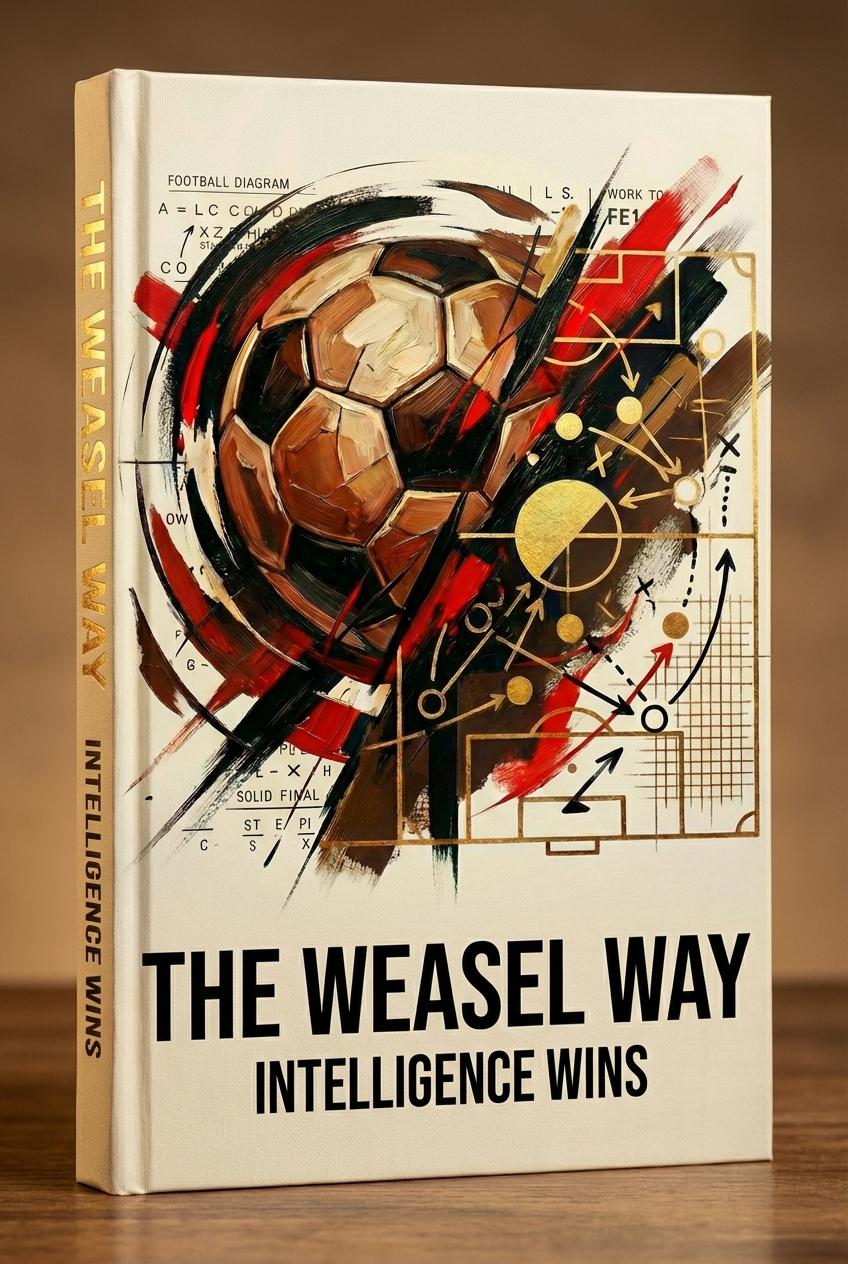
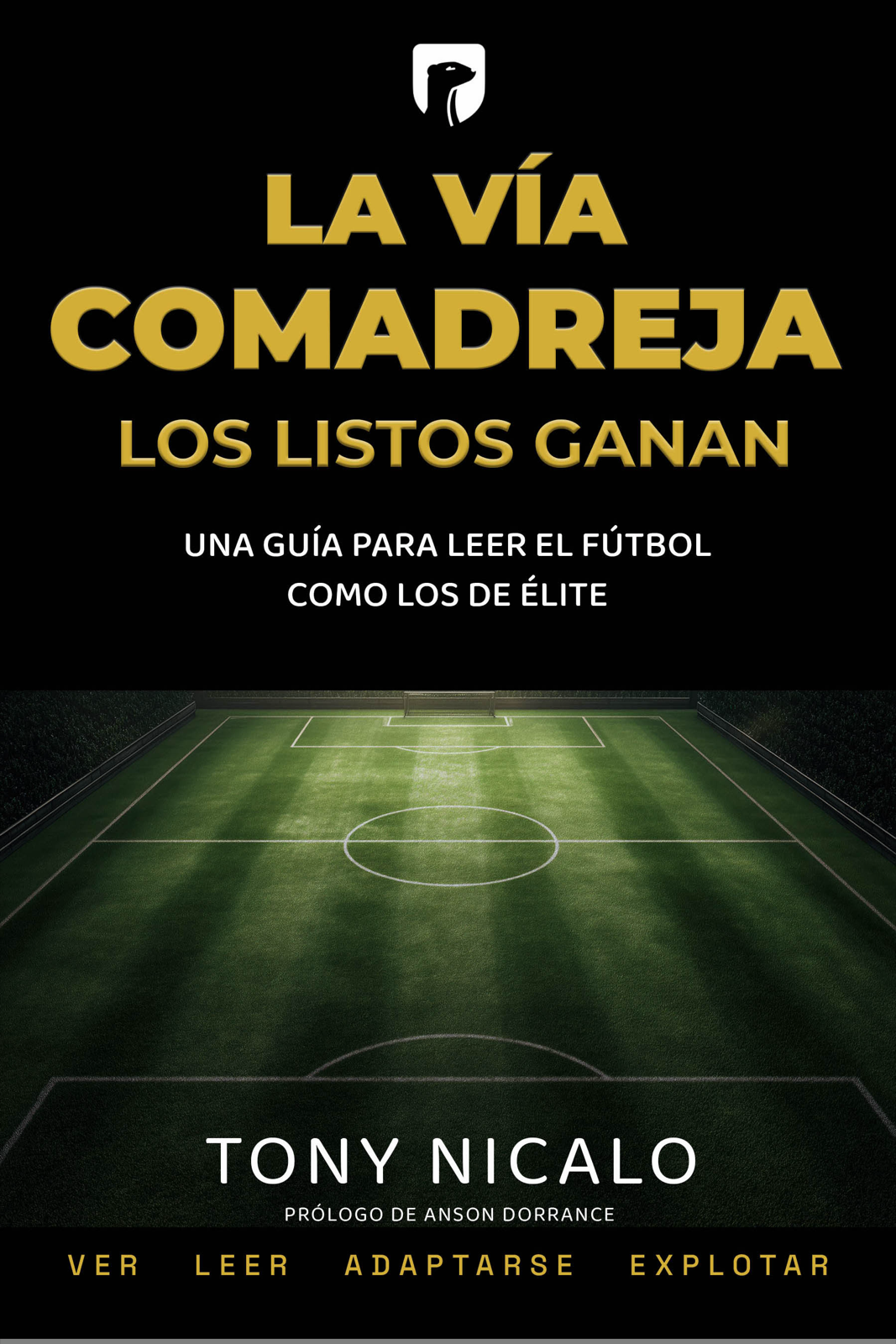
The published method
The Weasel Way translates perceptual-cognitive science into four actions coaches and players can remember, teach and apply.
SEE THE STRUCTURE
What did you see?
READ THE PATTERNS
What did you read?
ADAPT TO CONTEXT
What was the context?
EXPLOIT THE ADVANTAGE
Where was the advantage?
Foreword to The Weasel Way
“After nearly fifty years in this game, I learned from this book.”
This public foreword speaks to the book and method.
The coach education programme
The programme combines pause-and-predict video, a shared vocabulary and practical on-pitch tools. Coaches learn the method by making decisions themselves before they use it with players.
Pause & predict
A clip stops at the decision point. The coach commits to an answer, then compares the outcome and explains the read. Video makes tacit judgement visible and discussable.
Shared vocabulary
SEE · READ · ADAPT · EXPLOIT turns scanning, pattern recognition, anticipation, decision-making and creativity into football language coaches can use together.
Observation & calibration
Coaches review the same moments, compare what they noticed and align the cues they use across age groups, positions and the club’s game model.
On-pitch application
Coaching cards, questions and cognitive constraints carry the method into rondos, possession games and small-sided games. Coaches do not need another library of disconnected drills.
Pause-and-predict is a form of temporal-occlusion training. Read the science behind the method.
Built for system leaders
Consistency does not mean asking every coach to think the same way. It means giving them a common language for what players perceive, understand and decide.
Sporting directors
Align observation, development plans and coaching language across phases while keeping the method tied to your game model.
Federations
Give licensed coaches a teachable progression, practical video curriculum and assessment language they can carry into their own environments.
Leagues
Deliver repeatable CPD, facilitator materials and a common foundation for academy coach development without prescribing one style of play.
Coach education that reaches the pitch
The players who read the game at an elite level learned the skill. Give your coaches a method for teaching it.